


Human Anatomy Atlas 2026
4.8645.00 Reviews
App Specs
- Version
- 2026.005.009
- Updated On
- License
- $24.99
- Downloads
- 500,000+
- Developer
- Visible Body Apps LLC
- Categories
- Medical
- Platform
- Android, iOS
Screenshots
 Analysis by AppCompare
If you're anything like me, you've probably spent hours trying to figure out what exactly is going on inside our bodies. Well, here’s a little secret: Human Anatomy Atlas 2026 has become my go-to app for all things anatomy. Whether you're a student, a professional, or just a curious soul, this app offers an incredible deep dive into the human body. Let's walk through what makes this app such an essential tool.
Where the Atlas Fits in Everyday Learning
I find this app most useful when a question is specific: where does one structure sit in relation to another, or what changes when I look at a body from a different angle? A flat diagram can answer a basic naming question, but a rotatable 3D model helps me build a spatial picture. That difference matters when I am reviewing a region that is hard to imagine from a textbook illustration alone.
A realistic study session might start with a lecture note mentioning a joint or organ I cannot quite picture. I search for the structure, hide surrounding layers that distract me, then rotate the model until its connections make sense. I would not treat a quick browse as a replacement for course materials, but it can make those materials easier to understand. For someone who only wants an occasional, plain-language answer about a minor ache, though, this is likely more depth—and more cost—than necessary.
Choosing It Over a Diagram or a Web Search
Compared with a printed anatomy book, the main advantage is being able to change the viewpoint instead of accepting one fixed illustration. Compared with a quick web search, the atlas gives me a more coherent visual space to explore rather than a scattered set of images. Those alternatives can still be better: a book is convenient for reading a chapter from beginning to end, and a reputable clinical reference is the better choice when a question affects diagnosis or treatment.
I also see a practical trade-off in the interactive approach. A 3D model invites exploration, but it is easy to spend time turning the view without learning much. I get more from it when I begin with a question, such as identifying a structure’s neighbors, and finish by explaining the relationship in my own words. That small habit turns visual browsing into active revision.
The Visual Experience
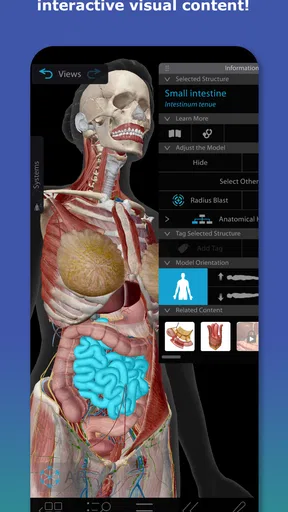
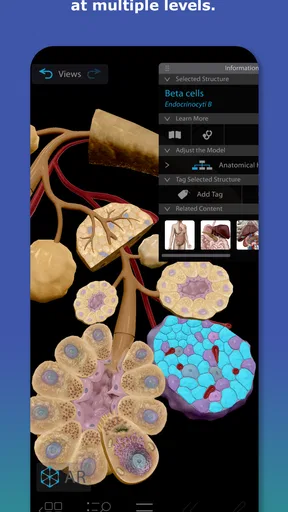
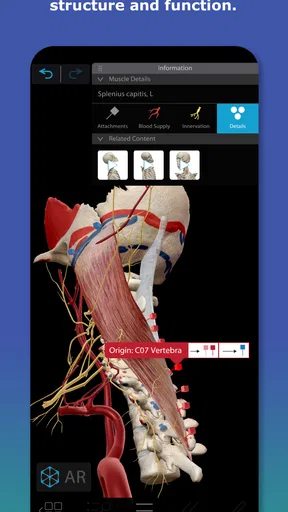
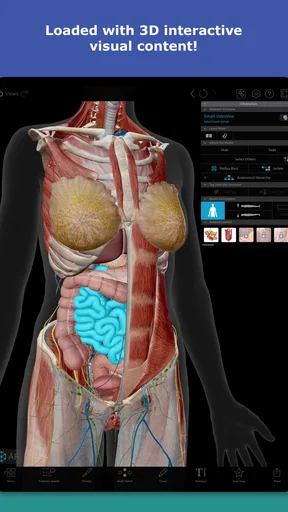
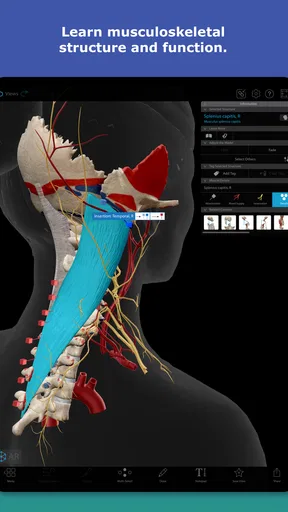
First things first, the visuals in Human Anatomy Atlas 2026 are downright stunning. Imagine being able to peel back layers of the skin, rotate organs, and zoom in on the tiniest details—all in 3D. The developers have done a stellar job in creating highly detailed models that are both accurate and interactive. It's like having a mini anatomy lab right in your pocket.
The app provides a fully immersive experience that feels like you're holding a medical textbook that has come to life. You can explore over 10,000 anatomical models, which includes everything from bones and muscles to organs and blood vessels. With the ability to add or remove layers, it feels like you’re a digital surgeon in training.
Worth Reading Before You Choose

EA SPORTS FC Mobile 26 Is a Bigger Football Game, but It Takes Time

Flipboard Shows What News Apps Must Do Beyond the Feed

Switching to Android Auto Means Rethinking Your Driving Routine

Google Calendar Makes a Crowded Week Easier to Manage

Ludo King Makes the Most of the Minutes Between Plans

Baby Panda World Brings Quick Play to Modern Phones, but Its Game Library Feels Busy
Features That Stand Out
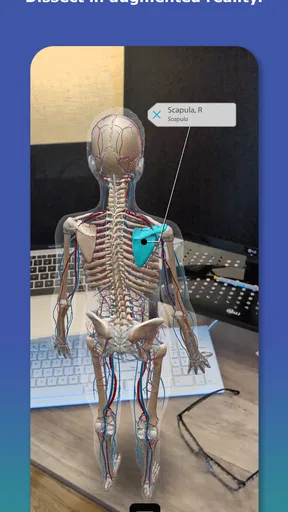
What really sets Human Anatomy Atlas 2026 apart is the sheer range of features it offers. One of my personal favorites is the Augmented Reality (AR) mode. Imagine projecting a 3D heart right onto your desk and exploring its chambers as if it were physically there. It’s not just cool; it’s mind-blowing.
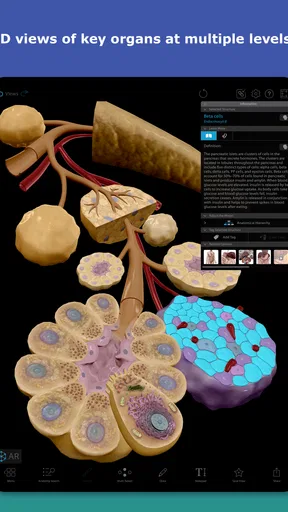
Another standout feature is the cross-sectional views. You can slice through different parts of the body and see what's inside, which is incredibly useful for students who are trying to understand complex structures. Plus, the app includes detailed definitions and descriptions for each part, making it a handy reference tool.
Making Visual Study More Effective
For cross-sections, I would use a repeatable routine rather than jumping randomly between views: locate a region in the full model, inspect the cut, then return to the whole structure to connect what is visible in section with its position in the body. This is especially helpful when a two-dimensional slice feels confusing on its own. The model is a visual aid, not a substitute for learning terminology or checking how a course defines a structure.
AR is best treated as an occasional way to change perspective, not the reason to buy the app. It can make a model feel more tangible when demonstrating anatomy or studying with someone else, while a standard on-screen view is often quicker for focused revision. If you mostly study on a small phone screen, details may also be less comfortable to inspect than on a tablet, so device size is worth considering before paying.
Usability and Design
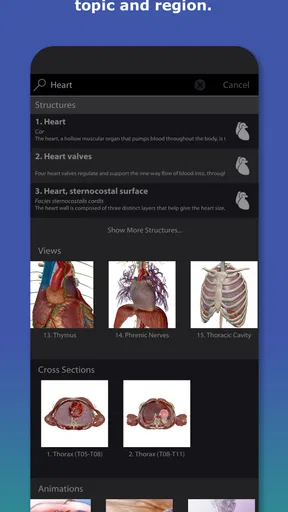
Now, let's talk about usability. Navigating through the app is a breeze. The interface is user-friendly, and you can easily find what you’re looking for with just a few taps. The search function is robust, allowing you to locate specific anatomical structures quickly. Whether you’re tech-savvy or not, you’ll find the app intuitive and easy to use.
The design is sleek and modern, making it a joy to spend time exploring. The app runs smoothly, with no lag, which is crucial when dealing with such intricate and detailed visuals.
A More Deliberate Search Workflow
When I already know a structure’s name, search is the fastest starting point. When I do not, I find it more useful to begin with a broader region and narrow the view gradually; otherwise, a precise result can appear without enough context to understand why it matters. Saving or preparing a view for a later study session is also a sensible way to avoid rebuilding the same visual setup each time, particularly if I am using the app to explain a topic to another person.
There is a learning curve beneath the simple navigation. A model can contain many overlapping structures, so removing too many layers at once may make the view easier to read but hide the relationships I am trying to learn. I prefer to change visibility one step at a time, checking each change against the surrounding anatomy. That is slower than stripping the model down immediately, but it reduces the chance of mistaking an isolated part for a complete explanation.
The Educational Edge
For students and educators, Human Anatomy Atlas 2026 is a dream come true. It’s like having a virtual classroom where you can learn at your own pace. The app includes quizzes and challenges that test your knowledge, making learning both fun and effective. It’s perfect for anyone prepping for exams or just looking to expand their knowledge.
For educators, there's even more good news. The app allows you to create custom views and presentations that can be shared with students. This feature is excellent for virtual classrooms or in-person lectures, making it a versatile tool for teaching.
Who Benefits Most—and Who May Not
I would recommend it most readily to anatomy students who need a visual companion, instructors who want to show spatial relationships, and curious learners who enjoy exploring the body beyond a static picture. It can also help a health professional refresh their mental map of a region, provided they use it as an educational reference rather than as guidance for a patient-specific decision.
It is less compelling for someone who needs only a simple glossary, a beginner-friendly explanation of symptoms, or a low-cost occasional reference. The app is a paid purchase at $24.99, and in-app purchases range from $7.99 to $19.99 per item. I would think about how often I will use the 3D exploration before committing; if I only need basic labels, a library book or a focused free reference may be a better fit. The app is rated for Everyone, but that age rating does not mean its detailed anatomy content is designed as a complete course for every learner.
Accessibility and Compatibility
One of the things I really appreciate about Human Anatomy Atlas 2026 is its accessibility. It's available on both Android and iOS, and it runs smoothly on most devices. Whether you have a smartphone or a tablet, you can access all the features without any hiccups. Plus, the app is available in multiple languages, making it accessible to a global audience.
If you’re worried about storage space, the app is surprisingly lightweight considering all the content it packs in. It’s optimized to ensure that it doesn’t hog your device’s resources, which is a definite plus.
Current Version and Product Evolution
The app comes from Visible Body Apps LLC, and its current version is 2026.005.009. It first appeared on September 30, 2016, so this is an established product rather than a newly launched experiment. I can confirm those release and version milestones, but they do not by themselves tell me which individual features changed between versions; I would not assume that a newer version necessarily means a particular tool was added or redesigned.
For someone who already owns an earlier edition, the practical question is whether the current app supports the way they study now, not simply whether the version number is newer. I would check the app’s current compatibility and purchase details on the relevant platform before upgrading or buying again. Its minimum operating system is version 12, an important point for anyone using an older device.
The app has an average rating of 4.8 from around 17,000 ratings, with about 645 written reviews and more than 500,000 installs. Those figures suggest that many people have tried it and rated it positively, but they cannot tell me whether it matches a particular syllabus or study style. I would use the reviews as one signal, then judge the app by whether its visual approach suits my own learning.
What to Consider Before You Settle In
A few practical questions are worth answering before relying on it. Can it replace a textbook? For me, no: it is strongest as a companion for spatial understanding, while a textbook provides a structured path through concepts and terminology. Is it a medical decision tool? I would not use it that way; anatomy exploration is not a diagnosis, and a visual reference cannot account for an individual patient’s situation.
Is it better on a phone or tablet? Both can be useful, but a larger display is more comfortable when several layers or fine details need attention. Should a casual learner pay for it? Only if interactive exploration is likely to be part of their regular curiosity; someone seeking occasional definitions may be better served by a simpler alternative. These are not flaws so much as boundaries that help set realistic expectations.
Final Thoughts
In conclusion, Human Anatomy Atlas 2026 is more than just an app; it's an experience. It’s a tool that brings the wonders of human anatomy to life in a way that’s engaging, educational, and downright fascinating. Whether you're a seasoned professional or just someone with a keen interest in how our bodies work, this app is a must-have.
So, if you’re ready to embark on a journey through the human body, download Human Anatomy Atlas 2026 and prepare to be amazed. Trust me, you won’t regret it.
My Recommendation
My enthusiasm comes with a clear condition: I would buy it for repeated visual study, not simply because it has an impressive name or a high rating. Its 3D presentation, cross-sectional exploration, and reference material make it a strong fit when anatomy needs to feel connected in space. If that is the kind of understanding you want, it is an appealing tool to keep close; if you need a concise clinical answer or a structured course, I would choose a more specialized resource instead.
Pros
- Comprehensive 3D models for detailed study.
- User-friendly interface for easy navigation.
- Regular updates with new features and content.
- Offline access to models and information.
- Interactive quizzes for effective learning.
Cons
- Requires significant storage space.
- Subscription needed for full access.
- Occasional app crashes reported.
- Limited language options available.
- Some models lack detailed descriptions.
FAQs for Human Anatomy Atlas 2026
What is Human Anatomy Atlas 2026 and how is it different from previous versions?
Human Anatomy Atlas 2026 is an advanced educational app designed to provide an in-depth view of the human body. This version includes updated 3D models and features enhanced interactivity, making it a comprehensive tool for medical students and professionals. It offers new animations and quizzes, improving upon previous iterations by providing more detailed and accurate anatomical information.
Is Human Anatomy Atlas 2026 suitable for beginners in anatomy?
Yes, Human Anatomy Atlas 2026 is designed to be user-friendly and accessible to beginners. It includes simplified models and interactive learning tools that make it easier for users to understand complex anatomical structures. The app also offers tutorials and guided tours to help newcomers navigate the extensive content effectively.
Can I use Human Anatomy Atlas 2026 offline, and what are the system requirements?
Human Anatomy Atlas 2026 allows users to download content for offline use, which is ideal for studying without internet access. However, certain features may require an online connection. The app is compatible with both Android and iOS devices, requiring at least Android 7.0 or iOS 12.0, and performs best on devices with higher processing power.
What educational features does Human Anatomy Atlas 2026 offer?
The app offers a variety of educational features, including 3D models of all body systems, interactive quizzes, and augmented reality experiences. Users can dissect virtual models, view animations of physiological processes, and explore detailed cross-sections. The app also includes a library of medical terminology and definitions to enhance learning.
How does the subscription model work for Human Anatomy Atlas 2026?
Human Anatomy Atlas 2026 is available as a one-time purchase or through a subscription model, which provides access to additional premium content and regular updates. Subscribers receive new features and content enhancements as they become available. Pricing varies by region and is designed to be affordable for students and professionals alike.


